70 Published BooksStanislav Vinaver
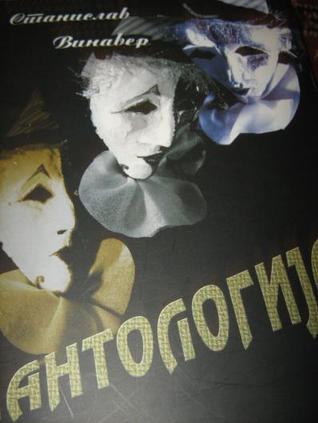
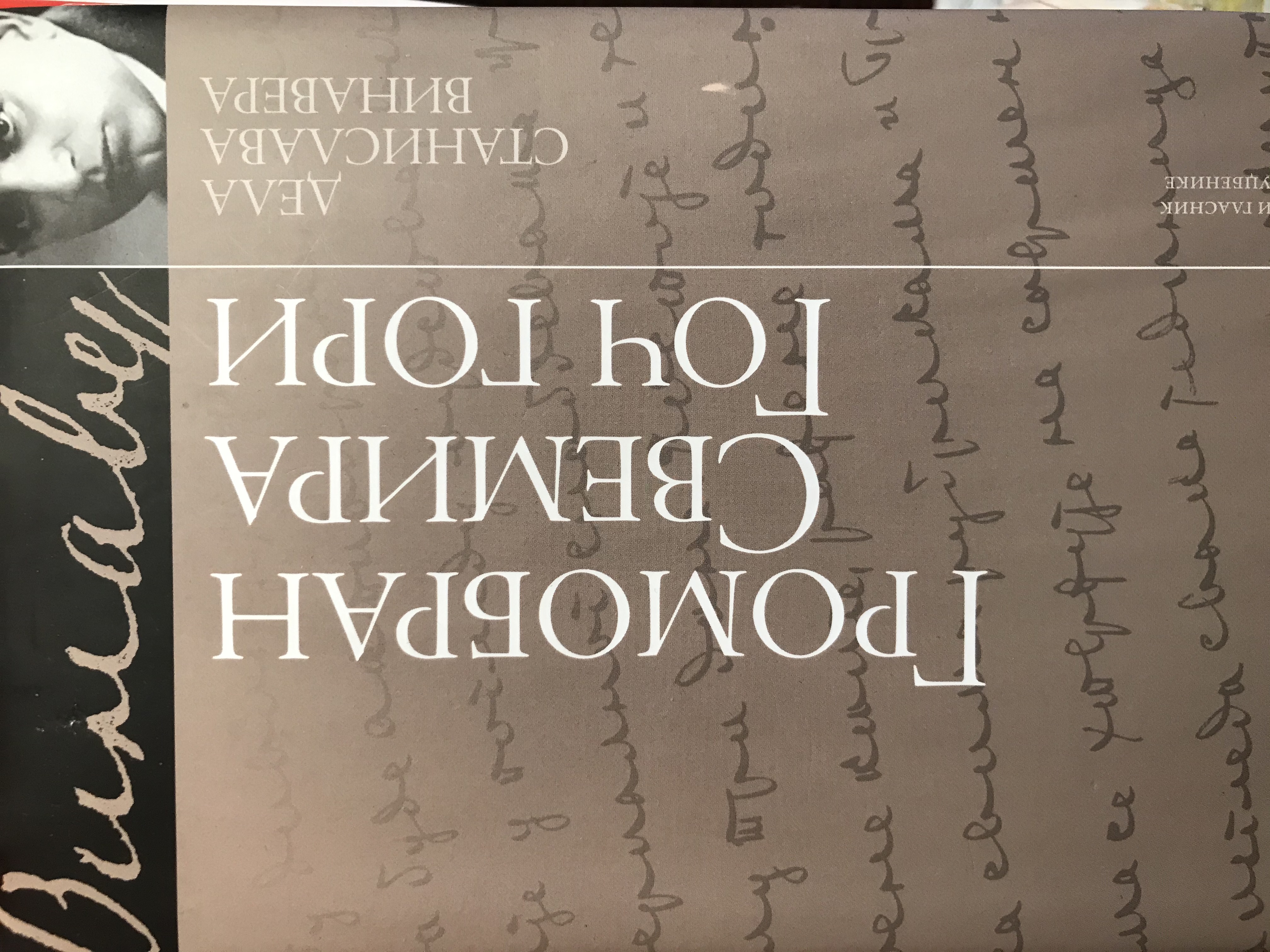
Stanislav Vinaver was a Serbian literate and interpreter. As a poet and essay writer, Vinaver was a leader of expressionists movement as well as the author of “Manifest of expressionism”, strongly pleading for abandoning traditional artistic expression, disclaiming routine “patriotic canons” established by honourable literate critics Jovan Skerlić and Bogdan Popović. In the last years of his life (1945-1955) he was working in Belgrade as a writer, satirist and a professional translator from French, English, German, Russian, Polish and Czech language. His unique translations, in which he would often step away from the original text in order to describe and keep the essence and spirit of the original, were sometimes rejected from publishing houses, but to this day have not been overtop and have become almost individual works of literature. For example, Vinaver wrote and added up to 200 new pages into his translation of François Rabelais' "Gargantua and Pantagruel". As for satire, Vinaver’s style was endlessly witty and humorous, with unexpected turnovers, fresh and innovative expression and a subtle sense of grotesque, most apparent in his “Panthology of new Serbian pelengyrics” (pelen, sr. – wormwood), a mockery to Bogdan Popović’s “Anthology of new Serbian lyrics”. Among his work, the best known are “Stories that lost their balance” (1913), “Thoughts” (1913), “Lightning rod of the Universe” (1921), “Worlds keeper” (1921), “Evil wizards' small town”, “Icarus’ flight”, “War friends”, “European night”, “Our needed language” and his famous work “Laza Kostić’s enchantments and spites”. Even though he was rather contemporary author, particularly in a context of national culture, he remained miscomprehended for half of a century, suppressed and concealed, and his book “Enchantments” was not re published until 2006.